In this article
How the 2025–2030 Dietary Guidelines and Viome’s Biological Insights Work Together to Support Your Health
The Dietary Guidelines for Americans 2025–2030 represent a major reset in official nutrition advice with a clear message: eat more real, nutrient-dense foods and dramatically reduce highly processed foods. Real Food
These guidelines form the foundation of U.S. dietary recommendations for the next five years, shaping everything from school lunch programs to public health initiatives. But while broad, population-level guidance has its place, it doesn’t answer the personal question: what foods are healthiest for you?
That’s where personalized nutrition — powered by Viome’s RNA and AI analysis — enters the picture.
1. The New Guidelines: Eat Real, Eat Whole, Eat Variety
According to the latest federal guidance:
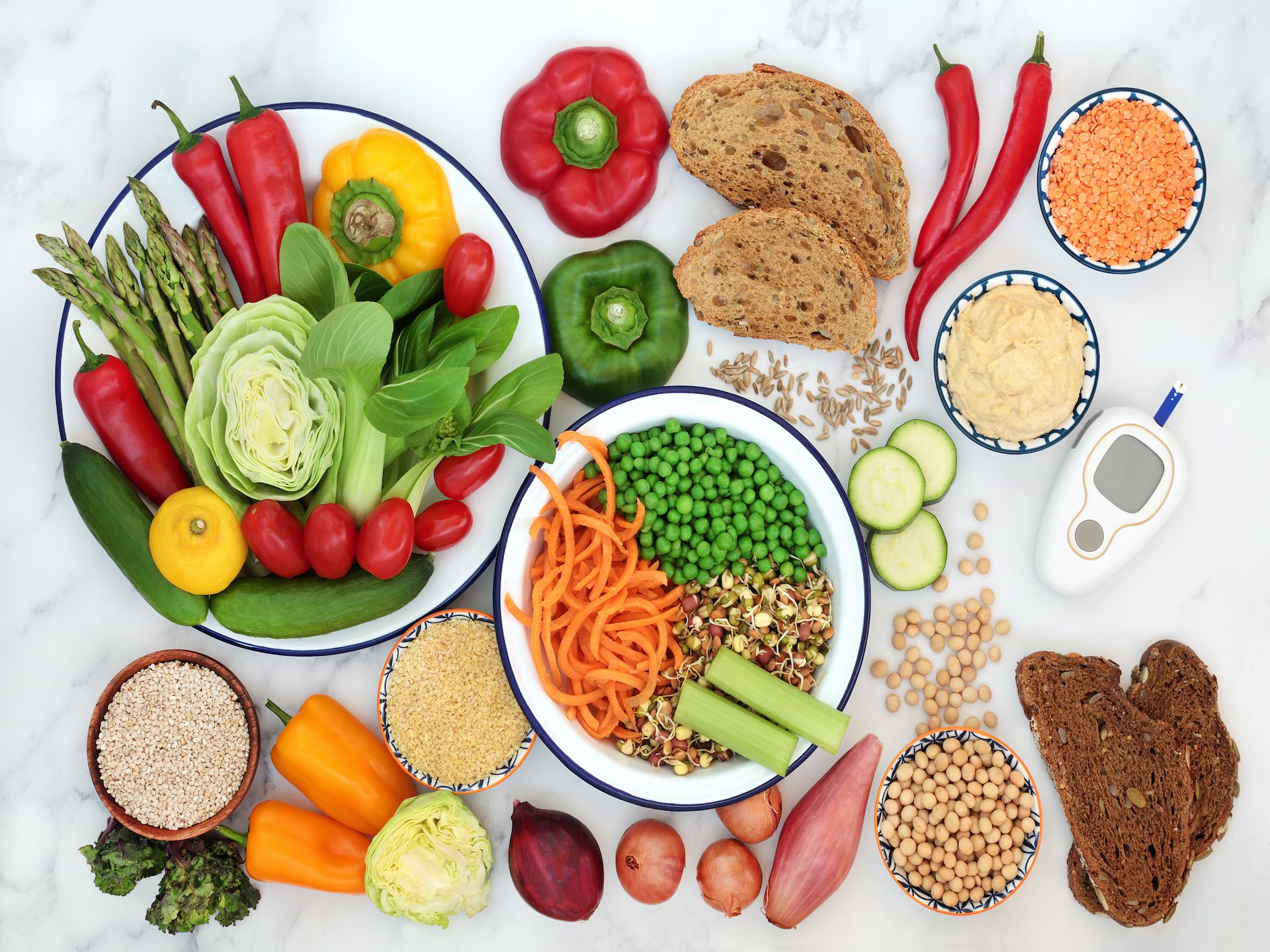
Emphasize nutrient-dense foods
- Whole vegetables and fruits
- High-quality protein (plant and animal)
- Whole grains
- Healthy fats like olive oil, nuts, seeds
- Dairy without added sugars
And perhaps most importantly:
- Significantly reduce highly processed foods, added sugars, and refined carbohydrates.
This advice reinforces what nutrition science has been telling us for years: that real food, in its least processed form, delivers a spectrum of bioactive compounds that support metabolic health, digestive function, immune balance, and beyond.
That’s terrific guidance at the population level, but it still leaves a key gap:
Not everyone responds to the same foods the same way.
2. Why Personalization in Nutrition Matters
Even if two people follow the same “healthy” diet, their bodies may respond very differently — especially in terms of digestion, energy, inflammation, and microbiome function.
For example:
- A serving of cruciferous vegetables might boost gut lining repair in one person, but causes gas and discomfort in others due to differences in microbial activity.
- A dairy-rich meal could support bone health for some, but lead to inflammation in others who are sensitive to casein or lactose.
These kinds of personal responses aren’t captured by national guidelines, because they’re individual biological reactions. This is where Viome’s RNA-based personalized nutrition adds value.
3. How Viome Personalizes the Guidelines for Your Biology
Food Recommendations That Fit You
Viome’s RNA technology captures what your microbiome and human cells are actively doing today — not just what genes you could express.
That means instead of a universal list like “eat broccoli,” Viome can tell you:
- Broccoli: Enjoy, if your microbiome supports sulforaphane processing
- Broccoli: Minimize or Avoid, if your oxalate or sulfide pathways show higher-than-ideal activity
This transforms broad dietary advice into actionable food choices tailored to your biology.
Identifying Hidden Stressors
Federal guidelines emphasize limiting added sugars, refined carbs, and ultra-processed foods — and for good reason: these foods are linked with reduced microbial diversity and increased metabolic stress.
Viome goes a step further by measuring how your microbial pathways respond to sugars and processed ingredients — helping you see beyond the “food group” to the functional impact on your gut and metabolic pathways.
Building a Nutrient-Rich Pattern That Works With You
The new guidelines encourage a wide variety of whole foods — fruits, vegetables, whole grains, proteins, healthy fats, and dairy.
But what if:
- Your microbiome isn’t effectively producing butyrate from certain fibers?
- Your bile acid pathways aren’t optimal for metabolizing typical fat sources?
- Your carbohydrate metabolism pathways are linked to glucose swings or inflammation?
Viome uses your scores to tell you which versions of these foods support your body, and which ones trigger stress signals, so your “healthy plate” is truly healthy for you.
4. Real Food Meets Real Biology
Here’s how personalized nutrition takes federal guidance to the next level:
Federal Guideline
Eat a variety of vegetables and fruits each day.
Viome Insight
Your microbiome may thrive on certain subcategories of vegetables that enhance digestibility and microbial metabolism.
Federal Guideline
Limit added sugars and ultra-processed foods.
Viome Insight
Viome agrees to avoid added sugar and processed foods. To take it a step further, your Viome results predict how your body will handle the sugar and carbs in specific foods, giving you personalized targets rather than blanket limits.
Federal Guideline
Consume high-quality protein to meet daily needs.
Viome Insight
Your Protein Fermentation Score tells you if you’re effectively digesting protein or if the protein you’re eating is leading to excess fermentation or gas.
5. Personalized Nutrition in Action
National guidelines are essential for shaping public nutrition policy, but your body doesn’t read population averages. It responds to biochemical activity happening inside you right now.
That’s the power of combining:
- Evidence-based national recommendations
- RNA-based biological insights
- Precision food and supplement guidance
You get a nutrition plan that isn’t only “healthy on paper,” it’s supportive on a biological level.
The 2025–2030 Dietary Guidelines provide an important foundation for healthy eating patterns: real foods, nutrient density, variety, and reduced processed food consumption. Real Food
At Viome, we take that foundation and make it personal. We translate these broad principles into specific foods, habits, and recommendations that align with your unique microbiome and cellular activity, empowering you to eat in a way that truly works for you.